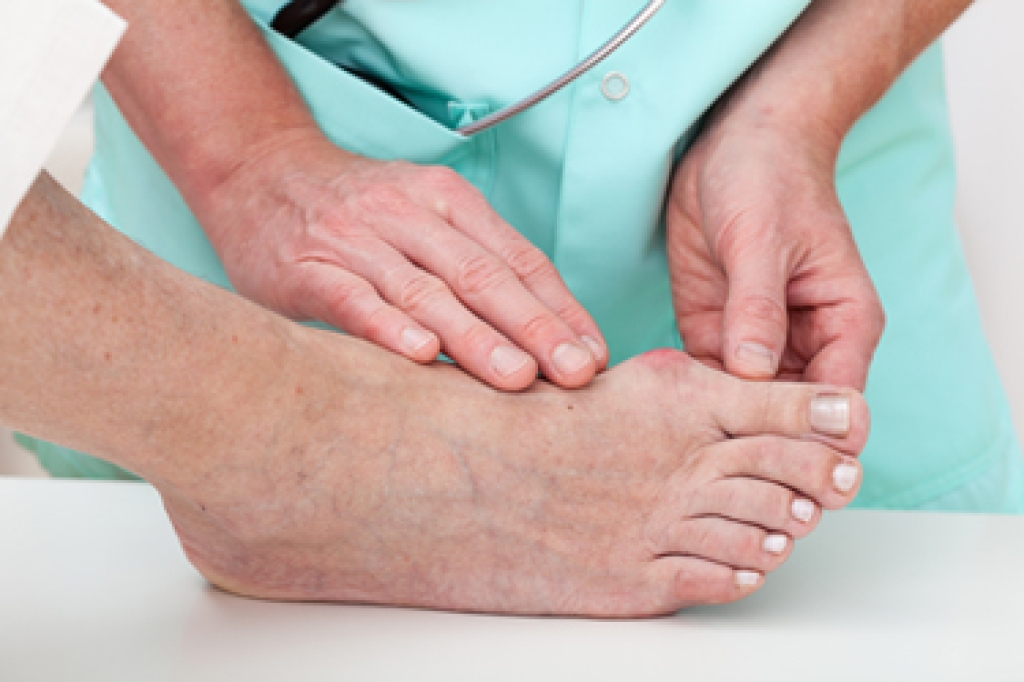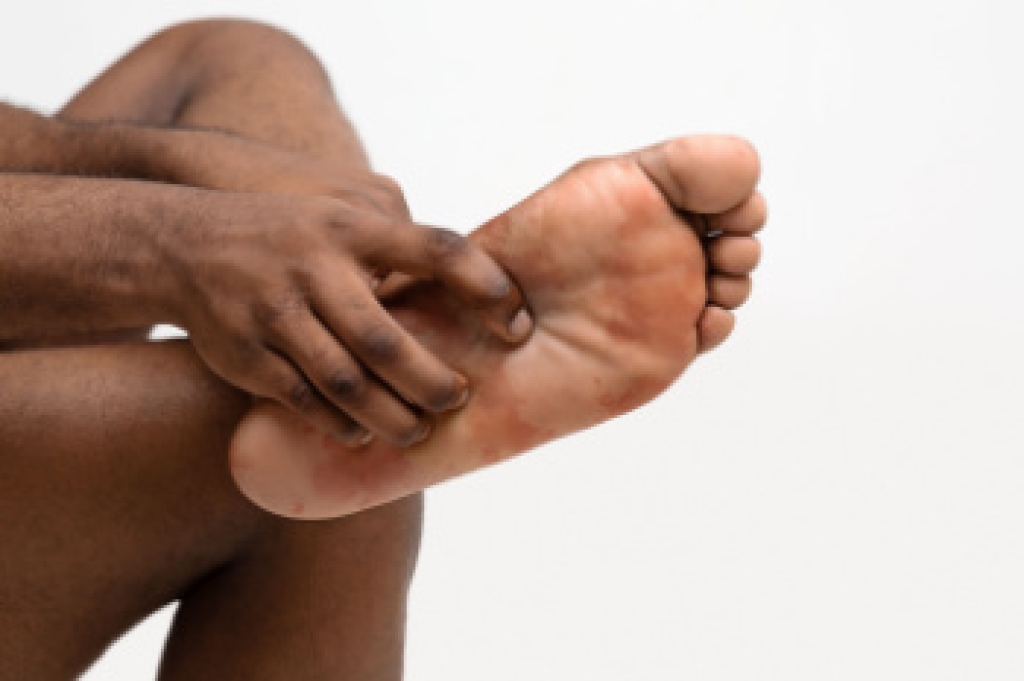
Plantar fasciitis is a common cause of heel pain that occurs when the thick band of tissue along the bottom of the foot becomes inflamed or irritated. It is often caused by overuse, high-impact activity, or wearing improper footwear that places strain on the plantar fascia. Symptoms include sharp or aching pain in the heel, particularly with the first steps in the morning or after sitting for long periods. The foot may look normal, though mild swelling or tenderness can appear along the arch, and it can feel stiff, sore, or sensitive while walking or standing. A podiatrist can help by starting with a thorough examination and sometimes imaging tests to confirm the diagnosis and rule out other conditions. Treatment may include footwear adjustments, custom orthotics, targeted exercises to stretch and strengthen the fascia, and anti-inflammatory care. If you have plantar fasciitis, it is suggested that you schedule an appointment with a podiatrist for appropriate treatment.
Plantar fasciitis can be very painful and inconvenient. If you are experiencing heel pain or symptoms of plantar fasciitis, contact Wendy K. Stinson, DPM from New Jersey. Our doctor can provide the care you need to keep you pain-free and on your feet.
What Is Plantar Fasciitis?
Plantar fasciitis is the inflammation of the thick band of tissue that runs along the bottom of your foot, known as the plantar fascia, and causes mild to severe heel pain.
What Causes Plantar Fasciitis?
- Excessive running
- Non-supportive shoes
- Overpronation
- Repeated stretching and tearing of the plantar fascia
How Can It Be Treated?
- Conservative measures – anti-inflammatories, ice packs, stretching exercises, physical therapy, orthotic devices
- Shockwave therapy – sound waves are sent to the affected area to facilitate healing and are usually used for chronic cases of plantar fasciitis
- Surgery – usually only used as a last resort when all else fails. The plantar fascia can be surgically detached from the heel
While very treatable, plantar fasciitis is definitely not something that should be ignored. Especially in severe cases, speaking to your doctor right away is highly recommended to avoid complications and severe heel pain. Your podiatrist can work with you to provide the appropriate treatment options tailored to your condition.
If you have any questions, please feel free to contact our office located in Parsippany-Troy Hills, NJ . We offer the newest diagnostic and treatment technologies for all your foot care needs.