Why Proper Shoe Fit Matters for Lifelong Foot Health

Proper shoe fit plays a vital role in maintaining overall foot health and preventing avoidable injuries. Many adults unknowingly wear shoes that are too large, which can lead to blisters, instability, and an increased risk of trips and falls. Shoes that are too small can be equally harmful, contributing to painful conditions such as bunions and hammertoes. Wearing the right shoes for specific activities is essential for support, comfort, and injury prevention. A podiatrist can evaluate foot structure, recommend appropriate footwear, and address existing concerns before they worsen. Taking the time to choose correctly fitted shoes can improve mobility, reduce pain, and support long-term wellness. If you have foot pain from possibly wearing the wrong size shoes, it is suggested that you consult a podiatrist who can treat various foot conditions and guide you on the appropriate shoe size to wear.

Finding a properly-fitting shoe is important in reducing injuries and preventing foot problems. For more information about treatment, contact Wendy K. Stinson, DPM from New Jersey. Our doctor will treat your foot and ankle needs.

Proper Shoe Fitting

A common concern when it comes to foot health, having properly fitted shoes can help prevent injuries to the foot. Out feet affect our posture and gait, which in turn affects the biomechanics and overall bodily structure. With 33 joints, 26 bones, and over 100 ligaments, the potential for serious injury is much greater than one realizes. Although the feet cease growth in adulthood, they still change shape as they mature. Here are some factors to consider when it comes to investing in proper fitting shoes:

  • Be sure the shoes fit correctly right away
  • Ensure the ball of your foot fits comfortably in the widest portion of the shoes
  • Even though they may look fashionable, improper fitting shoes can either create adverse conditions or exacerbate existing ones you may already have
  • Walk along a carpeted surface to ensure the shoes comfortably fit during normal activity

Keeping in mind how shoes fit the biomechanics of your body, properly-fitting shoes are vitally important. Fortunately, it is not difficult to acquire footwear that fits correctly. Be sure to wear shoes that support the overall structure of your body. Do your feet a favor and invest in several pairs of well-fitted shoes today.

If you have any questions, please feel free to contact our office located in Parsippany-Troy Hills, NJ . We offer the newest diagnostic and treatment technologies for all your foot care needs.

Read more about Proper Shoe Fitting

Why Do My Feet Hurt?

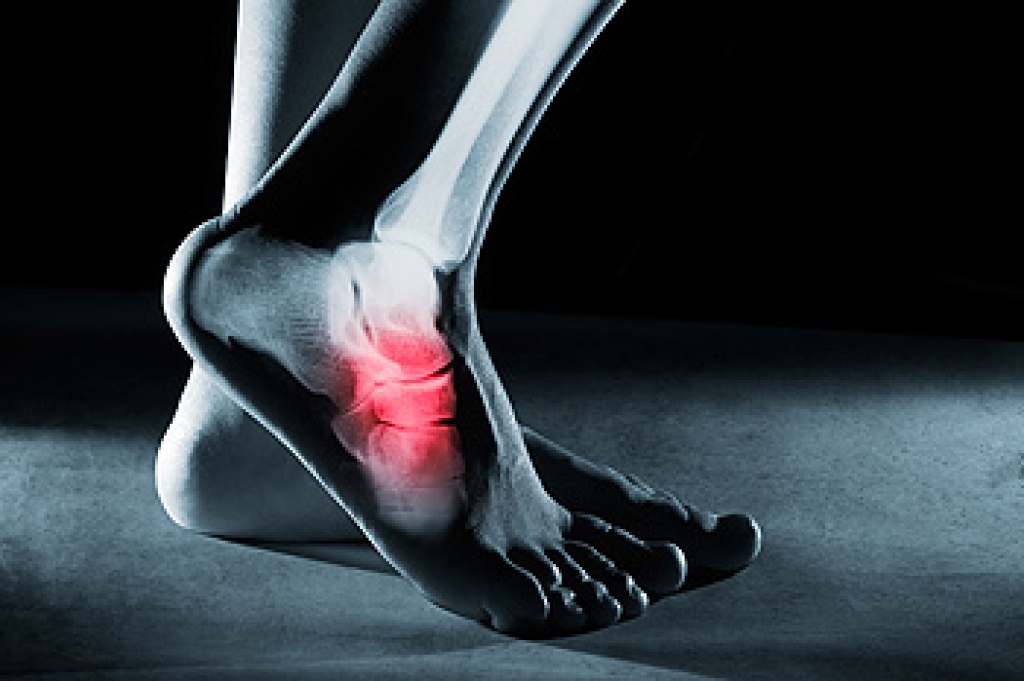
Foot pain can affect daily movement and overall comfort. It may result from injuries such as sprains, fractures, or overuse, as well as  improper footwear that lacks support. Medical conditions, including arthritis and diabetes, can also contribute to ongoing foot discomfort. Risk factors include high-impact activity, poor foot mechanics, and prolonged standing. Symptoms range from mild soreness to sharp, limiting pain. A podiatrist can evaluate the cause, provide accurate diagnosis, and recommend treatments like orthotics or targeted therapy. If you have foot pain, it is suggested that you consult a podiatrist who can determine the cause and offer appropriate treatment solutions.

Foot Pain

Foot pain can be extremely painful and debilitating. If you have a foot pain, consult with Wendy K. Stinson, DPM from New Jersey. Our doctor will assess your condition and provide you with quality foot and ankle treatment.

Causes

Foot pain is a very broad condition that could be caused by one or more ailments. The most common include:

  • Bunions
  • Hammertoes
  • Plantar Fasciitis
  • Bone Spurs
  • Corns
  • Tarsal Tunnel Syndrome
  • Ingrown Toenails
  • Arthritis (such as Gout, Rheumatoid, and Osteoarthritis)
  • Flat Feet
  • Injury (from stress fractures, broken toe, foot, ankle, Achilles tendon ruptures, and sprains)
  • And more

Diagnosis

To figure out the cause of foot pain, podiatrists utilize several different methods. This can range from simple visual inspections and sensation tests to X-rays and MRI scans. Prior medical history, family medical history, and any recent physical traumatic events will all be taken into consideration for a proper diagnosis.

Treatment

Treatment depends upon the cause of the foot pain. Whether it is resting, staying off the foot, or having surgery; podiatrists have a number of treatment options available for foot pain.

If you have any questions, please feel free to contact our office located in Parsippany-Troy Hills, NJ . We offer the newest diagnostic and treatment technologies for all your foot care needs.

Read more about Foot Pain

Facts About Gout

Gout is a type of arthritis caused by a buildup of uric acid crystals in the joints, often affecting the big toe, but also the foot and ankle. Symptoms include sudden, severe pain, redness, swelling, and warmth in the affected joint, making walking or standing difficult. Risk factors include a diet high in purines, obesity, genetics, alcohol consumption, and certain medical conditions. Repeated gout attacks can lead to joint damage, decreased mobility, and long-term discomfort. A podiatrist can diagnose gout, recommend lifestyle adjustments, prescribe medication, and provide care to reduce pain and prevent future attacks. Early intervention helps protect joint health and improve mobility. If you have gout symptoms in your big toe or foot, it is suggested that you promptly consult a podiatrist who can help you to manage this painful condition.

Gout is a foot condition that requires certain treatment and care. If you are seeking treatment, contact Wendy K. Stinson, DPM from New Jersey. Our doctor will treat your foot and ankle needs.

What Is Gout?

Gout is a type of arthritis caused by a buildup of uric acid in the bloodstream. It often develops in the foot, especially the big toe area, although it can manifest in other parts of the body as well. Gout can make walking and standing very painful and is especially common in diabetics and the obese.

People typically get gout because of a poor diet. Genetic predisposition is also a factor. The children of parents who have had gout frequently have a chance of developing it themselves.

Gout can easily be identified by redness and inflammation of the big toe and the surrounding areas of the foot. Other symptoms include extreme fatigue, joint pain, and running high fevers. Sometimes corticosteroid drugs can be prescribed to treat gout, but the best way to combat this disease is to get more exercise and eat a better diet.

If you have any questions, please feel free to contact our office located in Parsippany-Troy Hills, NJ . We offer the newest diagnostic and treatment technologies for all your foot care needs.

Read more about Everything You Need to Know About Gout

Reminder: When Was the Last Time...?

Custom orthotics, or shoe inserts, should be periodically replaced. Orthotics must fit properly to give you the best results. Protect your feet and ankles!

A Broken Foot and Prompt Podiatric Care

A broken foot is a serious injury defined as a fracture in one or more of the bones that form the structure of the foot. This condition often occurs as the result of a sports-related injury, sudden impact, or a fall that places excessive force on the foot. A compound fracture occurs when the broken bone passes through the skin, while a closed fracture describes a break that remains beneath the skin without external exposure. Symptoms include severe pain, swelling, bruising, and difficulty bearing weight. Risk factors include high impact activities, weakened bone strength, or accidents that stress the foot. A podiatrist can evaluate the injury, provide treatment, and guide recovery. If you have broken your foot, it is suggested that you promptly consult a podiatrist who can offer appropriate treatment solutions.

A broken foot requires immediate medical attention and treatment. If you need your feet checked, contact Wendy K. Stinson, DPM from New Jersey. Our doctor can provide the care you need to keep you pain-free and on your feet.

Broken Foot Causes, Symptoms, and Treatment

A broken foot is caused by one of the bones in the foot typically breaking when bended, crushed, or stretched beyond its natural capabilities. Usually the location of the fracture indicates how the break occurred, whether it was through an object, fall, or any other type of injury. 

Common Symptoms of Broken Feet:

  • Bruising
  • Pain
  • Redness
  • Swelling
  • Blue in color
  • Numbness
  • Cold
  • Misshapen
  • Cuts
  • Deformities

Those that suspect they have a broken foot shoot seek urgent medical attention where a medical professional could diagnose the severity.

Treatment for broken bones varies depending on the cause, severity and location. Some will require the use of splints, casts or crutches while others could even involve surgery to repair the broken bones. Personal care includes the use of ice and keeping the foot stabilized and elevated.

If you have any questions, please feel free to contact our office located in Parsippany-Troy Hills, NJ . We offer the newest diagnostic and treatment technologies for all your foot care needs.

Read more about Causes, Symptoms, and Treatment for a Broken Foot

Connect With Us

scroll to top