Painful Ingrown Toenails

Ingrown toenails occur when the edge of a nail grows into the surrounding skin, creating irritation that can quickly become painful. This condition often develops from improper nail trimming, tight footwear, injury, or natural nail shape. Symptoms may begin with tenderness and progress to swelling, redness, and increasing pain, sometimes joined by drainage, warmth, or infection. The affected toe may look inflamed or puffy along the nail border, and it can feel sore, throbbing, or sharply painful, especially when walking or wearing shoes. Left untreated, ingrown toenails can worsen and interfere with daily activities. A podiatrist can help by carefully examining the nail and surrounding tissue to confirm the diagnosis and assess severity. Early treatment may include trimming, lifting, or protecting the nail edge, along with guidance on proper foot care. More advanced cases may require partial nail removal, medication, or corrective procedures to prevent recurrence. If you have a painful ingrown toenail, it is suggested that you make an appointment with a podiatrist.

Ingrown toenails can become painful if they are not treated properly. For more information about ingrown toenails, contact Wendy K. Stinson, DPM of New Jersey. Our doctor can provide the care you need to keep you pain-free and on your feet.

Ingrown Toenails

Ingrown toenails occur when a toenail grows sideways into the bed of the nail, causing pain, swelling, and possibly infection.

Causes

  • Bacterial infections
  • Improper nail cutting such as cutting it too short or not straight across
  • Trauma to the toe, such as stubbing, which causes the nail to grow back irregularly
  • Ill-fitting shoes that bunch the toes too close together
  • Genetic predisposition

Prevention

Wearing proper fitting shoes and using proper cutting techniques will also help decrease your risk of developing ingrown toenails.

Treatment

Ingrown toenails are a very treatable foot condition. In minor cases, soaking the affected area in salt or antibacterial soaps will not only help with the ingrown nail itself, but also help prevent any infections from occurring. In more severe cases, surgery is an option. In either case, speaking to your podiatrist about this condition will help you get a better understanding of specific treatment options that are right for you.

If you have any questions, please feel free to contact our office located in Parsippany-Troy Hills, NJ . We offer the newest diagnostic and treatment technologies for all your foot care needs.

Read more about Ingrown Toenails

Walking Shoes Versus Running Shoes and Why the Right Choice Matters

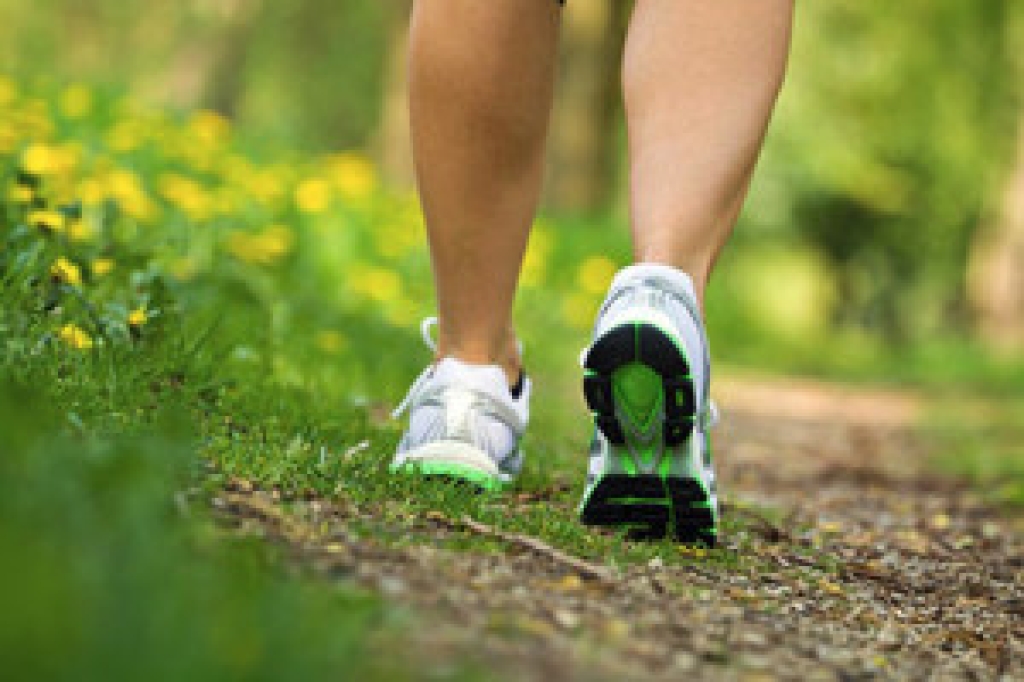
Walking and running shoes may seem similar but they are designed with different traits to support the way your feet move. Running shoes typically provide more cushioning in the heel and forefoot to absorb impact at faster speeds, while walking shoes are more flexible and support the natural roll of the foot during each step. Wearing the wrong type can lead to pain, strain, or injury. A podiatrist can assess your gait, foot type, and activity needs to guide you toward the right footwear and prevent future problems. If you have developed foot pain from wearing the wrong type of exercise shoes, it is suggested that you consult a podiatrist. 

If you are a runner, wearing the right running shoe is essential. For more information, contact Wendy K. Stinson, DPM from New Jersey. Our doctor can provide the care you need to keep you pain-free and on your feet.

Choosing the Right Running Shoe for Your Foot Type

To increase performance and avoid the risk of injury, it is important to choose the right running shoe based on your foot type. The general design of running shoes revolves around pronation, which is how the ankle rolls from outside to inside when the foot strikes the ground.

  • Neutral runners are able to choose from a wide variety of shoes, including minimalist shoes or even going barefoot.
  • Runners who overpronate, or experience an over-abundance of ankle rolling, should choose shoes that provide extra motion control and stability.
  • Runners who underpronate, or supinate, have feet that have high arches and lack flexibility, preventing shock absorption. They require shoes with more flexibility and cushion.

If you have any questions, please feel free to contact our office located in Parsippany-Troy Hills, NJ . We offer the newest diagnostic and treatment technologies for all your foot care needs.

Read more about Choosing the Right Running Shoe for Your Foot Type

Certain Exercises Can Help With Flat Feet

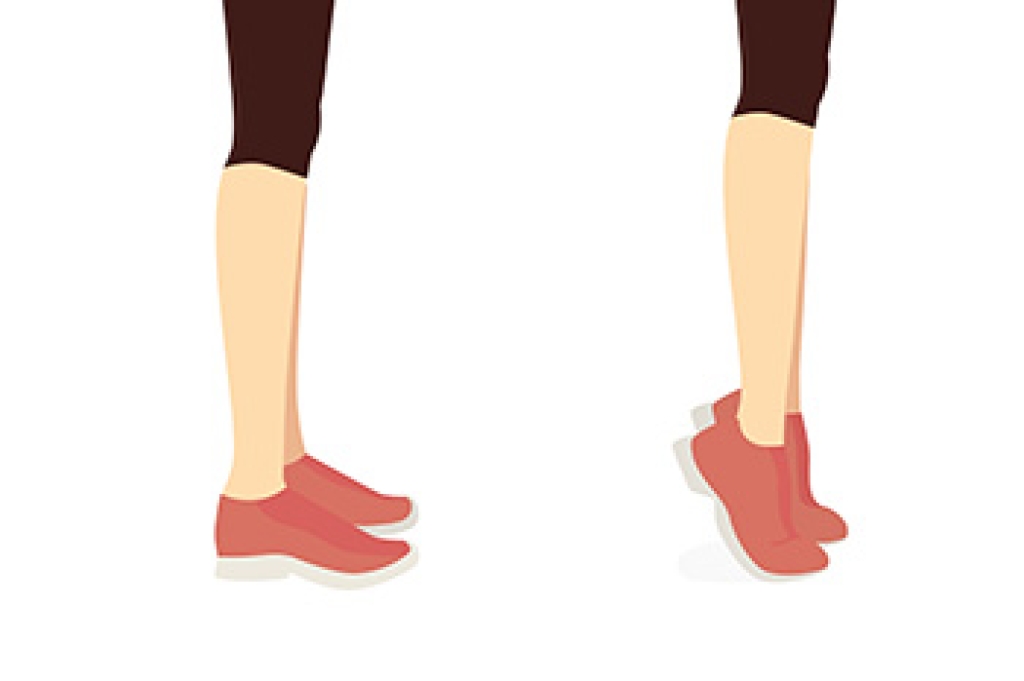
Exercises can help improve comfort and support for people with flat feet by strengthening muscles that help maintain the arch and control foot movement. Flat feet occur when the arch collapses or does not fully form, which may place added strain on the feet and ankles during walking or standing. Exercises that focus on gently lifting the arch, improving toe control, and increasing ankle flexibility may help the foot function more efficiently. Movements that involve pulling the ball of the foot toward the heel without curling the toes can activate important stabilizing muscles. Controlled heel raises can support alignment through the arch and ankle. Stretching the calf muscles may also help reduce tension that affects foot posture. When performed consistently, these exercises may reduce fatigue and discomfort for some people with flexible flat feet. If you have flat feet that are causing discomfort, it is suggested that you make an appointment with a podiatrist for an exam, diagnosis, and treatment.

Flatfoot is a condition many people suffer from. If you have flat feet, contact Wendy K. Stinson, DPM from New Jersey. Our doctor will treat your foot and ankle needs.

What Are Flat Feet?

Flatfoot is a condition in which the arch of the foot is depressed and the sole of the foot is almost completely in contact with the ground. About 20-30% of the population generally has flat feet because their arches never formed during growth.

Conditions & Problems:

Having flat feet makes it difficult to run or walk because of the stress placed on the ankles.

Alignment – The general alignment of your legs can be disrupted, because the ankles move inward which can cause major discomfort.

Knees – If you have complications with your knees, flat feet can be a contributor to arthritis in that area.  

Symptoms

  • Pain around the heel or arch area
  • Trouble standing on the tip toe
  • Swelling around the inside of the ankle
  • Flat look to one or both feet
  • Having your shoes feel uneven when worn

Treatment

If you are experiencing pain and stress on the foot you may weaken the posterior tibial tendon, which runs around the inside of the ankle. 

If you have any questions, please feel free to contact our office located in Parsippany-Troy Hills, NJ . We offer the newest diagnostic and treatment technologies for all your foot care needs.

Read more about What is Flexible Flat Foot?

When the Foot Itch Will Not Quit

Athlete’s foot is a fungal infection that affects the skin of the feet, especially between the toes and along the soles. It is caused by fungi that thrive in warm, moist environments, including locker rooms, sweaty shoes, and public shower areas. The skin may look red, scaly, or cracked, and in some cases may appear white and soggy between the toes. It often feels itchy, with discomfort that can worsen after activity. Some people also experience dryness or painful fissures. A podiatrist can help from the start by accurately diagnosing the condition and confirming that symptoms are not related to other skin disorders. Treatment may begin with prescriptions or medical grade antifungal therapies, skin care guidance, and hygiene education. Care can then move into preventive strategies, footwear recommendations, and ongoing management to reduce recurrence and protect skin health. If you are dealing with persistent athlete’s foot, it is suggested that you make an appointment with a podiatrist.

Athlete’s Foot

Athlete’s foot is often an uncomfortable condition to experience. Thankfully, podiatrists specialize in treating athlete’s foot and offer the best treatment options. If you have any questions about athlete’s foot, consult with Wendy K. Stinson, DPM from New Jersey. Our doctor will assess your condition and provide you with quality treatment.

What Is Athlete’s Foot?

Tinea pedis, more commonly known as athlete’s foot, is a non-serious and common fungal infection of the foot. Athlete’s foot is contagious and can be contracted by touching someone who has it or infected surfaces. The most common places contaminated by it are public showers, locker rooms, and swimming pools. Once contracted, it grows on feet that are left inside moist, dark, and warm shoes and socks.

Prevention

The most effective ways to prevent athlete’s foot include:

  • Thoroughly washing and drying feet
  • Avoid going barefoot in locker rooms and public showers
  • Using shower shoes in public showers
  • Wearing socks that allow the feet to breathe
  • Changing socks and shoes frequently if you sweat a lot

Symptoms

Athlete’s foot initially occurs as a rash between the toes. However, if left undiagnosed, it can spread to the sides and bottom of the feet, toenails, and if touched by hand, the hands themselves. Symptoms include:

  • Redness
  • Burning
  • Itching
  • Scaly and peeling skin

Diagnosis and Treatment

Diagnosis is quick and easy. Skin samples will be taken and either viewed under a microscope or sent to a lab for testing. Sometimes, a podiatrist can diagnose it based on simply looking at it. Once confirmed, treatment options include oral and topical antifungal medications.

If you have any questions, please feel free to contact our office located in Parsippany-Troy Hills, NJ . We offer the newest diagnostic and treatment technologies for all your foot care needs.

Read more about How to Deal with Athlete's Foot

It's Time for Beautiful Feet

You don't need an excuse to have beautiful nails. Step outside without worrying about the appearance of your feet.

Connect With Us

scroll to top