What Causes Heel Spurs?

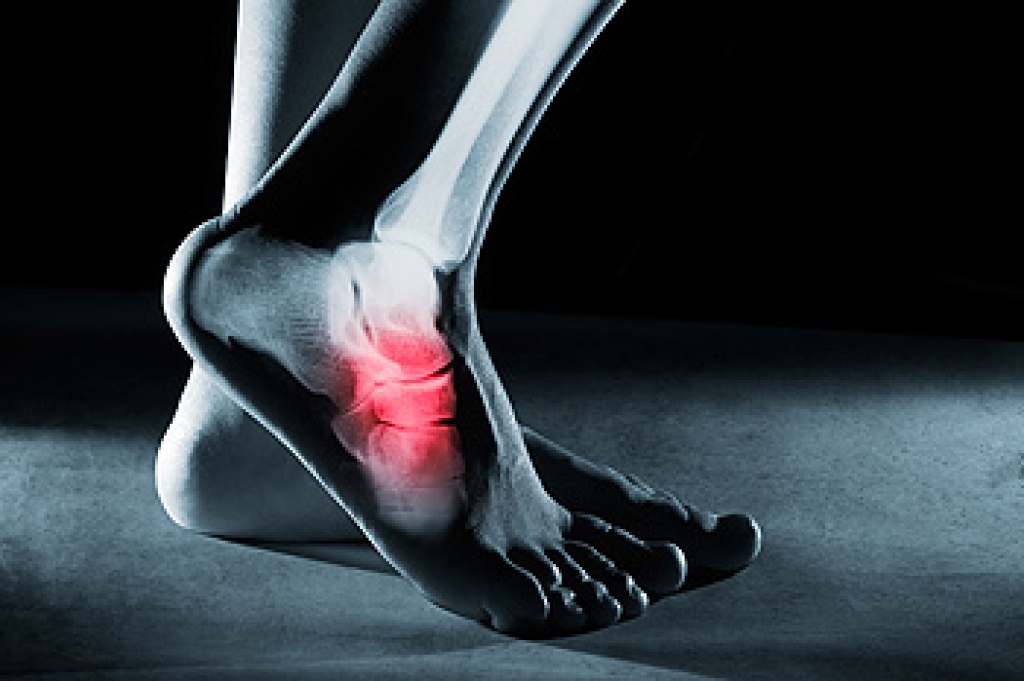
Heel spurs are bony growths that form on the calcaneus, or heel bone, after long-term stress or irritation. These spurs often develop when repeated pulling from tight soft tissue at the back of the ankle places strain on the bone. Eventually, the body responds by laying down excess calcium, creating a pointed growth that looks like a spur. Heel spurs can form underneath the heel or at the back, sometimes causing a visible lump. Symptoms include sharp pain with the first steps in the morning, a lingering dull ache during the day, stiffness, numbness, or thickened skin from friction. A podiatrist can assess foot alignment, evaluate walking patterns, and order X-rays to confirm the diagnosis. Treatment options include custom orthotics, bracing, anti-inflammatory care, or surgery when necessary. If you have pain from heel spurs that affect daily activities, it is suggested that you make an appointment with a podiatrist for an exam, diagnosis, and treatment.

Heel spurs can be incredibly painful and sometimes may make you unable to participate in physical activities. To get medical care for your heel spurs, contact Wendy K. Stinson, DPM from New Jersey. Our doctor will do everything possible to treat your condition.

Heels Spurs

Heel spurs are formed by calcium deposits on the back of the foot where the heel is. This can also be caused by small fragments of bone breaking off one section of the foot, attaching onto the back of the foot. Heel spurs can also be bone growth on the back of the foot and may grow in the direction of the arch of the foot.

Older individuals usually suffer from heel spurs and pain sometimes intensifies with age. One of the main condition's spurs are related to is plantar fasciitis.

Pain

The pain associated with spurs is often because of weight placed on the feet. When someone is walking, their entire weight is concentrated on the feet. Bone spurs then have the tendency to affect other bones and tissues around the foot. As the pain continues, the feet will become tender and sensitive over time.

Treatments

There are many ways to treat heel spurs. If one is suffering from heel spurs in conjunction with pain, there are several methods for healing. Medication, surgery, and herbal care are some options.

If you have any questions, please feel free to contact our office located in Parsippany-Troy Hills, NJ . We offer the newest diagnostic and treatment technologies for all your foot care needs.

Read more about How to Treat Heel Spurs

Treatment Options for Broken Toes

A broken, or fractured, toe occurs when one of the small bones in the toe cracks or breaks due to trauma or repeated stress. Proper treatment of a broken toe is important to ensure the bone heals in the correct position and to prevent long-term pain or deformity. A podiatrist will perform a physical examination and often order X-rays to confirm the diagnosis. This also determines whether the fracture is displaced, meaning the bone has shifted out of place. Stable fractures are commonly treated with protective taping to a neighboring toe, called buddy taping. Sometimes a stiff-soled shoe or walking boot will be used to limit motion. More severe fractures may require a realignment of the bone or surgery to insert a small pin for stability. If you have broken a toe, it is suggested that you make an appointment with a podiatrist for an exam, diagnosis, and treatment.

Broken toes may cause a lot of pain and should be treated as soon as possible. If you have any concerns about your feet, contact Wendy K. Stinson, DPM from New Jersey. Our doctor will treat your foot and ankle needs.

What Is a Broken Toe?

A broken toe occurs when one or more of the toe bones of the foot are broken after an injury. Injuries such as stubbing your toe or dropping a heavy object on it may cause a toe fracture.

Symptoms of a Broken Toe

  • Swelling
  • Pain (with/without wearing shoes)
  • Stiffness
  • Nail Injury

Although the injured toe should be monitored daily, it is especially important to have a podiatrist look at your toe if you have severe symptoms. Some of these symptoms include worsening or new pain that is not relieved with medication, sores, redness, or open wounds near the toe.

If you have any questions please feel free to contact our office located in Parsippany-Troy Hills, NJ . We offer the newest diagnostic tools and technology to treat your foot and ankle needs.

Read more about What to Know About a Broken Toe

Foot Strengthening Exercises for Flat Feet

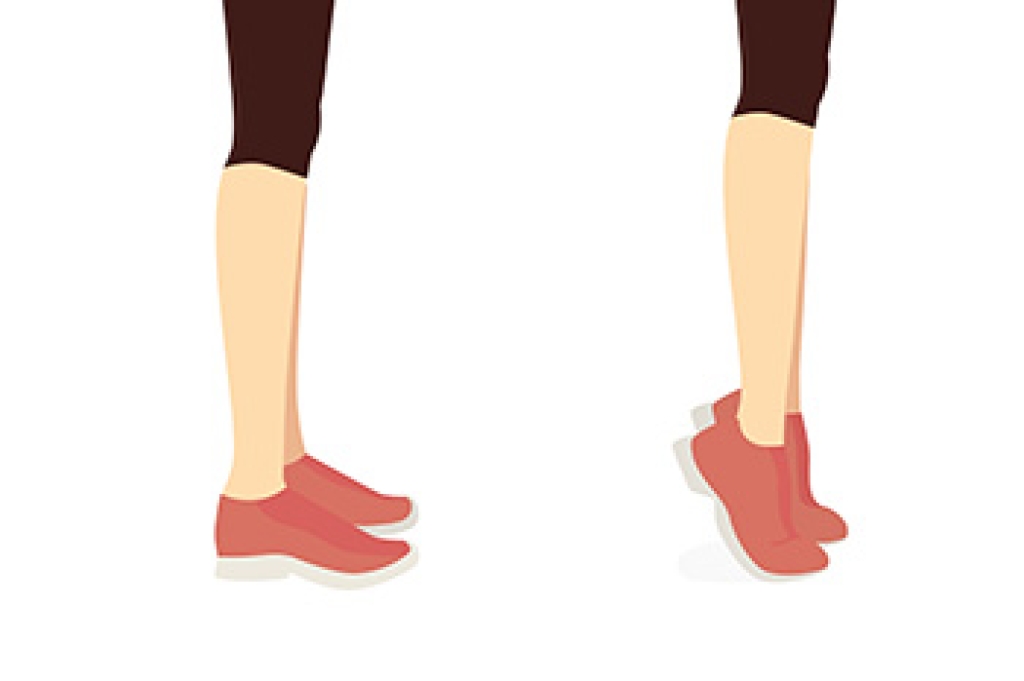
Flat feet, also known as fallen arches, occur when the arches of the feet collapse or do not develop properly, causing the entire sole to touch the ground. There are flexible flat feet, where an arch appears when not bearing weight, and rigid flat feet, where the arch is always absent. Heel stretches gently lengthen the Achilles tendon to reduce strain and improve flexibility. Tennis ball rolls massage the sole to relieve tension and stimulate muscles. Arch lifts strengthen intrinsic foot muscles by raising the arch while keeping toes grounded. Additionally, calf raises build lower leg strength to better support foot structure. A podiatrist can assess alignment, recommend orthotics, and design a personalized treatment plan. If you have pain or discomfort from flat feet, it is suggested that you consult a podiatrist who can offer effective relief and management solutions. 

Exercising your feet regularly with the proper foot wear is a great way to prevent injuries and build strength. If you have any concerns about your feet, contact Wendy K. Stinson, DPM from New Jersey. Our doctor can provide the care you need to keep you pain-free and on your feet.

Exercise for Your Feet

Exercise for your feet can help you gain strength, mobility and flexibility in your feet. They say that strengthening your feet can be just as rewarding as strengthening another part of the body. Your feet are very important, and we often forget about them in our daily tasks. But it is because of our feet that are we able to get going and do what we need to. For those of us fortunate enough to not have any foot problems, it is an important gesture to take care of them to ensure good health in the long run.

Some foot health exercises can include ankle pumps, tip-toeing, toe rises, lifting off the floor doing reps and sets, and flexing the toes. It is best to speak with Our doctor to determine an appropriate regimen for your needs. Everyone’s needs and bodies are different, and the activities required to maintain strength in the feet vary from individual to individual. 

Once you get into a routine of doing regular exercise, you may notice a difference in your feet and how strong they may become.

If you have any questions, please feel free to contact our office located in Parsippany-Troy Hills, NJ . We offer the newest diagnostic and treatment technologies for all your foot care needs.

Read more about Exercise for Your Feet

When the Bottom of the Foot Sends a Signal

Plantar fasciitis is a common cause of heel pain that occurs when the thick band of tissue along the bottom of the foot becomes inflamed or irritated. It is often caused by overuse, high-impact activity, or wearing improper footwear that places strain on the plantar fascia. Symptoms include sharp or aching pain in the heel, particularly with the first steps in the morning or after sitting for long periods. The foot may look normal, though mild swelling or tenderness can appear along the arch, and it can feel stiff, sore, or sensitive while walking or standing. A podiatrist can help by starting with a thorough examination and sometimes imaging tests to confirm the diagnosis and rule out other conditions. Treatment may include footwear adjustments, custom orthotics, targeted exercises to stretch and strengthen the fascia, and anti-inflammatory care. If you have plantar fasciitis, it is suggested that you schedule an appointment with a podiatrist for appropriate treatment.

Plantar fasciitis can be very painful and inconvenient. If you are experiencing heel pain or symptoms of plantar fasciitis, contact Wendy K. Stinson, DPM  from New Jersey. Our doctor can provide the care you need to keep you pain-free and on your feet.

What Is Plantar Fasciitis?

Plantar fasciitis is the inflammation of the thick band of tissue that runs along the bottom of your foot, known as the plantar fascia, and causes mild to severe heel pain.

What Causes Plantar Fasciitis?

  • Excessive running
  • Non-supportive shoes
  • Overpronation
  • Repeated stretching and tearing of the plantar fascia

How Can It Be Treated?

  • Conservative measures – anti-inflammatories, ice packs, stretching exercises, physical therapy, orthotic devices
  • Shockwave therapy – sound waves are sent to the affected area to facilitate healing and are usually used for chronic cases of plantar fasciitis
  • Surgery – usually only used as a last resort when all else fails. The plantar fascia can be surgically detached from the heel

While very treatable, plantar fasciitis is definitely not something that should be ignored. Especially in severe cases, speaking to your doctor right away is highly recommended to avoid complications and severe heel pain. Your podiatrist can work with you to provide the appropriate treatment options tailored to your condition.

If you have any questions, please feel free to contact our office located in Parsippany-Troy Hills, NJ . We offer the newest diagnostic and treatment technologies for all your foot care needs.

Read more about Plantar Fasciitis

Heel Pain Can Be Treated!

Do you suffer from heel pain when you get up in the morning? If so, you should seek professional help and have a proper diagnosis performed. Heel pain can be caused by several different foot-related conditions.

Connect With Us

scroll to top